


How to Choose the Right Pic Frame Photo — Without Wasting Money on the Wrong Size
Picking a pic frame photo sounds simple. It rarely is. This guide walks you through sizing, materials, matting, and the three mistakes most people make before they even hang anything on the wall.
You printed a photo. A real one — not just a phone screen. Maybe it was a wedding shot, a vacation memory, or a portrait of your dog doing something ridiculous. You ordered a frame online, waited a week, and when it arrived... the photo sat loose inside, rattling around like a marble in a shoebox. Sound familiar?
That's the most common frame photo frames mistake: buying the frame before confirming the exact print size. Not the paper size. The print size. A 4×6 photo printed with a white border is not the same as a 4×6 borderless print. One fits snugly. The other slips.
This guide covers everything you need to match a frame picture photo to your actual print — including material differences, mat board choices, and how to avoid the "it looked good online" regret. Let's get into it.

The Sizing Problem Nobody Talks About Enough
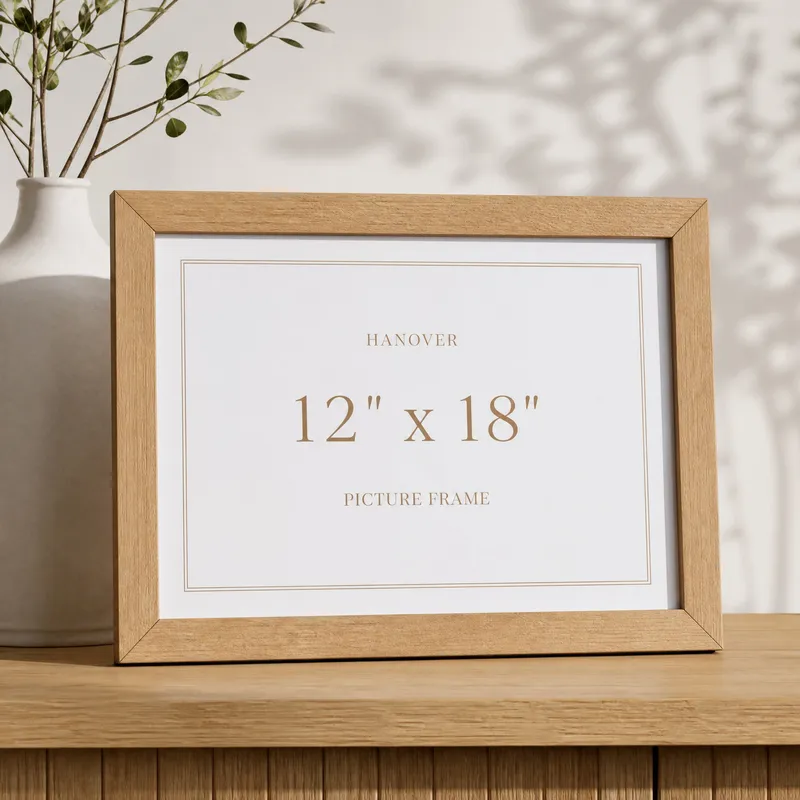
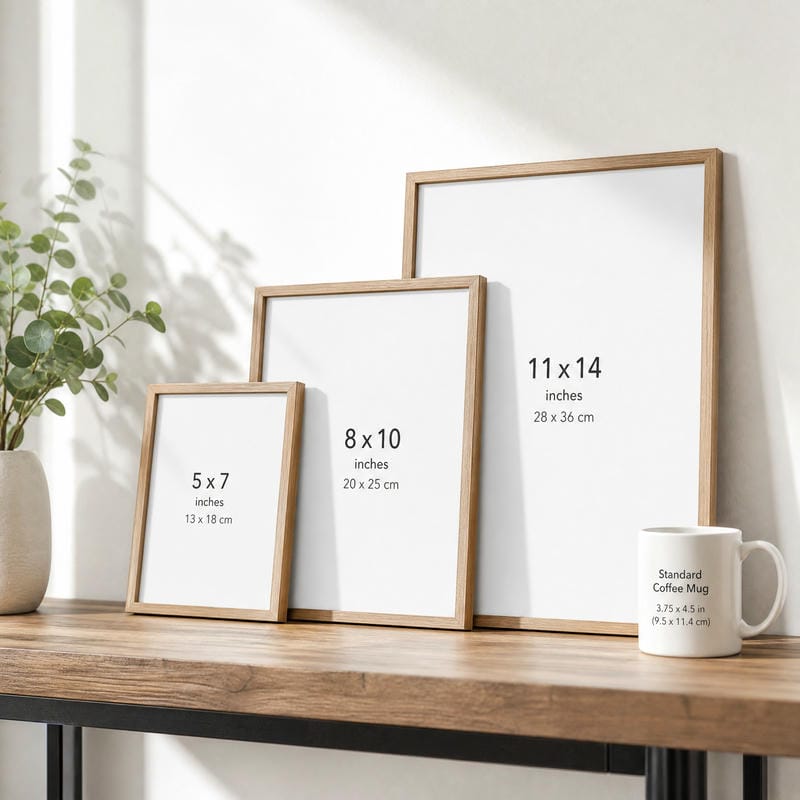
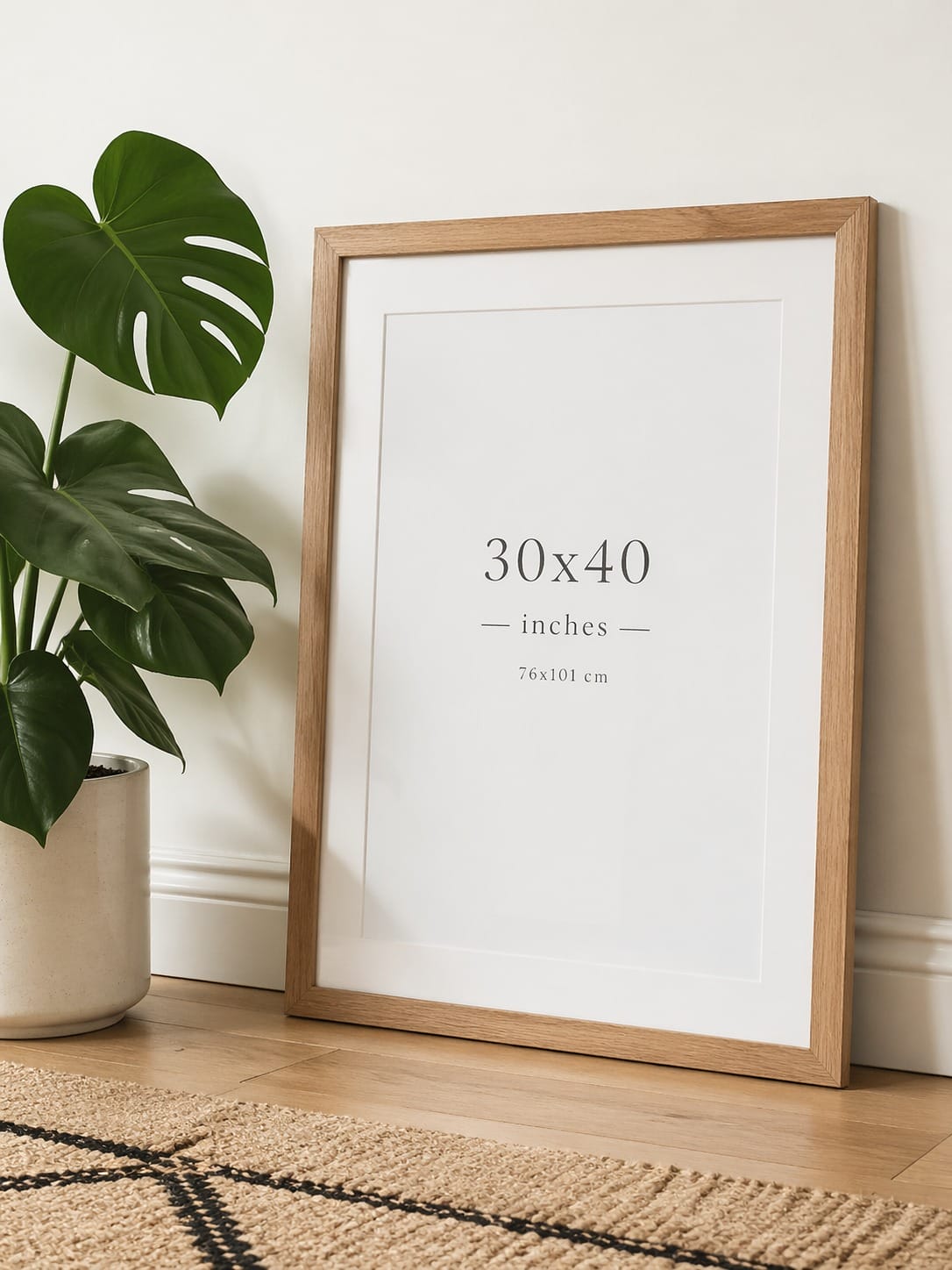
Frame sizing is measured by the opening — the visible area of your photo — not the outer dimensions of the frame itself. A "5×7 frame" has a 5×7 opening. The outer frame might be 7×9 or 8×10 depending on the molding width.
Why does this matter? Because when you're hanging three frames in a row, the visual spacing between them depends on the outer dimensions, not the opening. Two frames labeled "5×7" from different brands can differ by nearly an inch in total width. That inch shows up immediately on the wall.
Standard sizes that are easiest to find frames for: 4×6, 5×7, 8×10, 11×14, and 16×20. Anything else — say, a 6×8 or a 10×13 — and you're either ordering custom or trimming your print. Neither is wrong, but know what you're getting into.
One more thing: if you're framing a canvas print, you don't need a frame with glass. You need a floater frame — a frame that wraps around the canvas edges and holds it about 5–8mm off the backing. It's a completely different product. Don't order a standard glazed frame for a canvas. (I've seen this happen more times than I'd like to admit.)
Not sure which size to order for your specific print dimensions? See our full photo frame size guide with real-world examples — it covers standard and non-standard sizes with visual comparisons.
Wood, Metal, or Plastic — What the Frame Is Actually Made Of
The material of a frame photo affects three things: weight, durability, and how it ages. Here's the honest breakdown:
- Solid wood frames — Typically weigh 400–700g for an 8×10. They absorb humidity and can warp slightly in bathrooms or kitchens over time. The upside: they look genuinely warm and age gracefully. A walnut frame at 40 looks better than it did at 20.
- MDF with wood veneer — The most common "wood-look" frame you'll find under $30. Heavier than solid wood (sometimes 800g+ for an 8×10), more stable in humidity, but the edges chip if you drop them. Fine for most walls. Not ideal for high-traffic areas.
- Aluminum frames — Light (often under 300g for an 8×10), clean-edged, and they don't warp. Great for modern interiors. The downside: they feel cold to the touch and the corners can loosen over time if the tension screws aren't checked annually.
- Injection-molded plastic — Cheap, light, and honestly fine for kids' rooms or temporary displays. But the color fades in direct sunlight within 18–24 months, and the "silver" ones start looking gray-yellow. You'll know one when you hold it.

Watch out for this: "real wood" in product listings sometimes means "wood composite" or "wood fiber board." If the product description doesn't specify the wood species (pine, oak, walnut, bamboo), it's probably not solid wood. Ask before buying, or check the weight — solid wood frames are usually lighter than MDF ones of the same size.
Also: glass vs. acrylic glazing. Standard glass is heavier and clearer. Acrylic (sometimes called "plexiglass") is lighter and shatter-resistant — important if you're shipping frames or hanging them in a child's room. Museum-quality acrylic with UV filtering runs about 3× the cost of standard glass, but it genuinely slows photo fading. For a photo you care about, it's worth it.
Trying to decide between wood and metal for a gallery wall? Read our comparison of wood vs. metal photo frames — including which holds up better after 3 years on a south-facing wall.
Mat Boards, Color Matching, and Why Your Frame Looks "Off" on the Wall
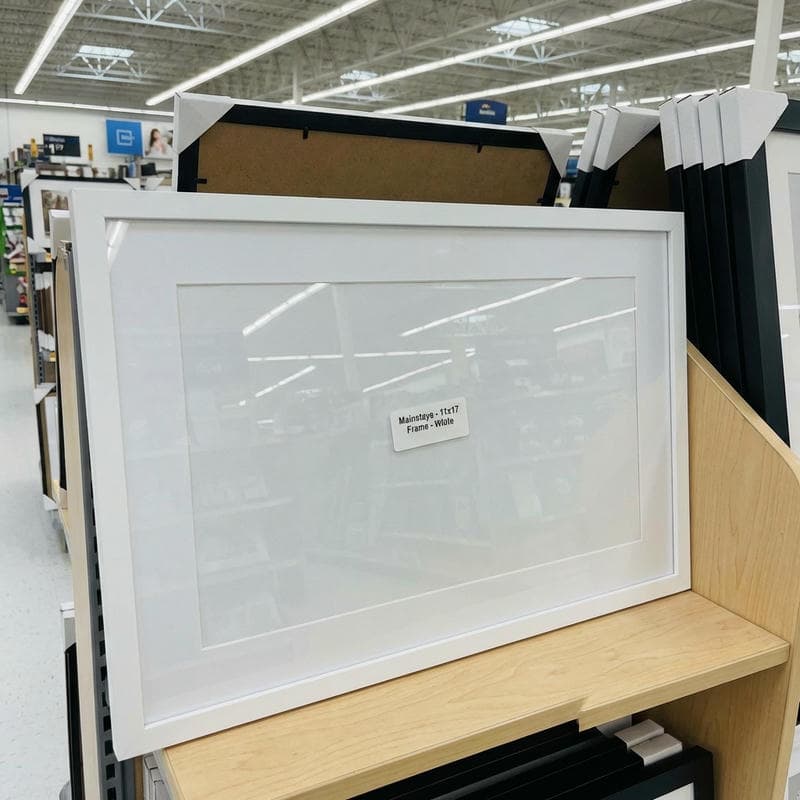
A mat board is the thick paper border that sits between your photo and the frame. It's not just decorative — it physically keeps the photo from touching the glass, which prevents moisture condensation from damaging the print over time.
The standard mat for an 8×10 photo in an 11×14 frame is about 1.5 inches wide on each side. That's the "safe" choice. But here's what most people don't realize: a wider mat (2–2.5 inches) makes a smaller photo feel more important. It's the same reason museums use oversized mats for small prints. A 4×6 photo with a 3-inch white mat inside a 12×16 frame looks like it belongs in a gallery. The same photo in a bare 4×6 frame looks like a snapshot.
"I had a customer who kept returning frames because her photos 'looked cheap.' The photos were fine. The frames were fine. She just needed a mat. We added a 2-inch off-white mat to her 5×7 prints inside 8×10 frames, and she called it a transformation."
For color matching: white and off-white mats work with almost everything. Black mats add drama — great for black-and-white photography, but they can feel heavy in a light-colored room. Colored mats (navy, forest green, burgundy) work when they echo a color already in the photo. Don't pick a mat color that isn't in the image somewhere.
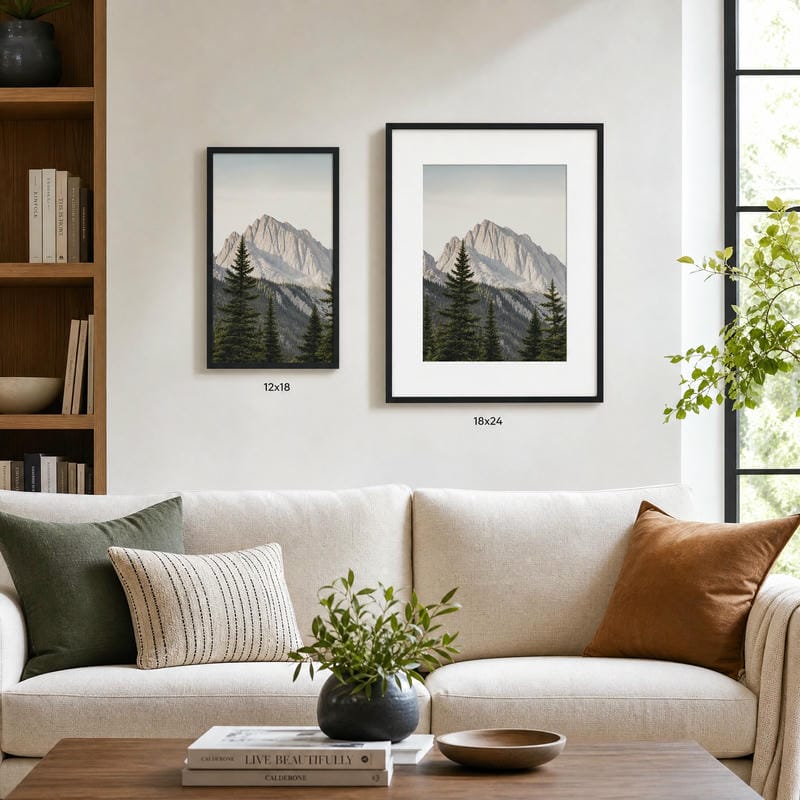
As for matching frames to your wall: the rule isn't "match the furniture." It's "don't fight the wall." Dark frames on dark walls disappear. Light frames on white walls look clinical. The sweet spot is usually a frame 1–2 shades darker or lighter than the wall, with a finish (matte vs. gloss) that contrasts with the wall texture.

5 Things to Check Before You Click "Add to Cart"
- Confirm your print's exact dimensions. Measure the actual printed image area with a ruler. Don't trust the filename or the print service's label — they sometimes include white borders in the stated size.
- Check the frame depth (rabbet depth). If you're framing a thick print, a mounted photo, or a canvas, the rabbet (the groove that holds the artwork) needs to be at least 8–10mm deep. Standard frames are 4–6mm. Too shallow and the backing won't close.
- Look at the corner construction. V-nail or spline-joined corners hold better than glued-only corners. For frames over 16×20, this matters — large frames flex when hung, and weak corners crack over time.
- Ask about the glazing type. Standard glass, non-glare glass, acrylic, or UV-filtering acrylic — each has a different price and use case. For a photo near a window, UV filtering is not optional if you want it to last 10+ years.
- Check the hanging hardware. Frames over 1kg (roughly anything 11×14 and above) should come with D-rings or a wire system, not just a sawtooth hanger. A sawtooth on a heavy frame is a photo waiting to fall.
Frequently Asked Questions
What size photo frame do I need for a 4×6 photo?
You need a frame with a 4×6 opening — which is labeled as a "4×6 frame." The outer dimensions will be larger, typically around 6×8 inches depending on the molding width. If your 4×6 print has a white border and you want to hide it, you may need a frame with a slightly smaller opening (3.5×5.5) or a mat cut to crop the border.
What is the difference between a photo frame and a picture frame?
Functionally, nothing. "Photo frame" and "picture frame" are used interchangeably in most markets. In practice, "photo frames" often refers to smaller, standard-size frames (4×6, 5×7) designed for photographic prints, while "picture frames" can refer to larger or more decorative frames used for artwork, prints, or posters. The construction is the same.
How do I choose a frame that matches my wall decor?
Start with the wall color and the dominant tones in your photo. Warm-toned photos (golden hour, skin tones, wood interiors) pair well with warm frame finishes — natural wood, gold, bronze. Cool-toned photos (blue skies, winter scenes, black-and-white) work with silver, black, or white frames. Avoid matching the frame exactly to your furniture — a slight contrast looks more intentional.
Can I use a photo frame without the glass?
Yes, and sometimes it's the right call. Canvas prints, thick mounted photos, and textured artwork often look better without glass — the glass creates a reflective gap that flattens the texture. For standard photographic prints on paper, though, glass or acrylic is strongly recommended. Without it, the print collects dust, is vulnerable to humidity, and fades significantly faster in any room with natural light.
Still Not Sure Which Frame Fits Your Photo?
Tell us your print size, wall color, and room style — and we'll point you to the exact frame that won't rattle, warp, or look wrong after six months. No guesswork. No returns.
Find Your Frame — Browse Custom Sizes & MaterialsFor further reading on archival framing standards, see the Library of Congress guide to photograph preservation .