




Why Buying a 30x40 Picture Frame is Harder Than It Looks (And How to Get It Right)
You finally found the exact print you want for that blank wall in your living room. You hop online, type in a quick search, and order a 30x40 picture frame wood style that looks exactly right. A few days later, a box arrives. But there is a massive problem. The box is either the size of a small flat-screen TV, or it is barely bigger than a standard sheet of printer paper.
What went wrong? Units of measurement.
As someone who has packed, shipped, and processed returns for hundreds of frames over the years, I see this exact scenario play out weekly. Buying a picture frame 30x40 online feels like a simple task until you realize that one tiny abbreviation changes everything. Today, I am going to walk you through exactly what you need to know before you hit the checkout button, from avoiding the sizing trap to picking materials that will not pull your drywall down.

The #1 Mistake: 30x40 cm vs. 30x40 Inches
Let us clear up the biggest source of returned orders in the framing industry. The difference between a 30x40 cm picture frame and a 30x40 inch picture frame is drastic. (Well, sort of obvious when you say it out loud, but incredibly easy to miss on a mobile screen).
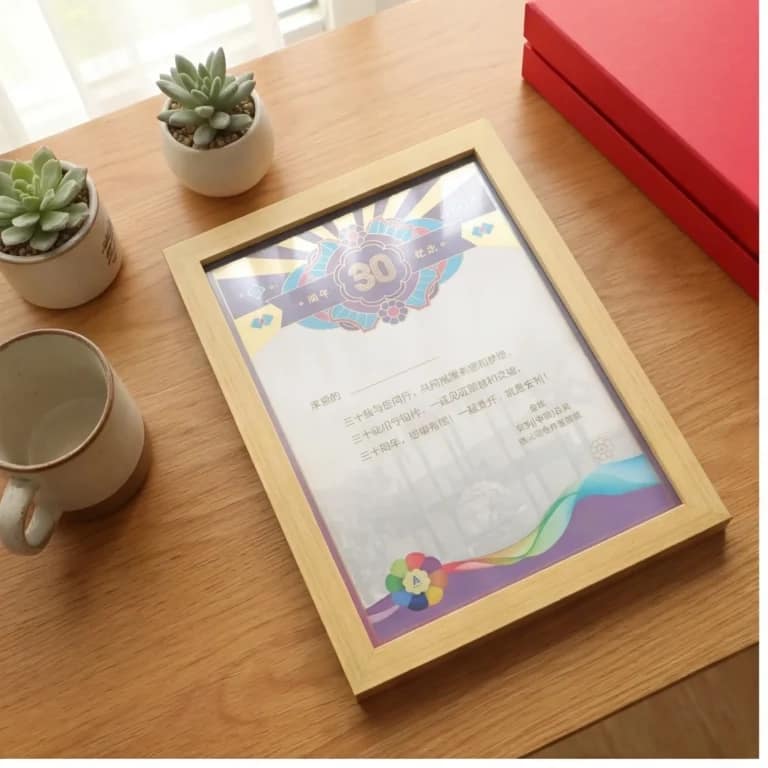
A 30x40cm picture frame translates to roughly 11.8 by 15.7 inches. This is a modest, medium-sized frame. It is great for small portraits, certificates, or a piece of a larger gallery wall. You can easily hold it in one hand.
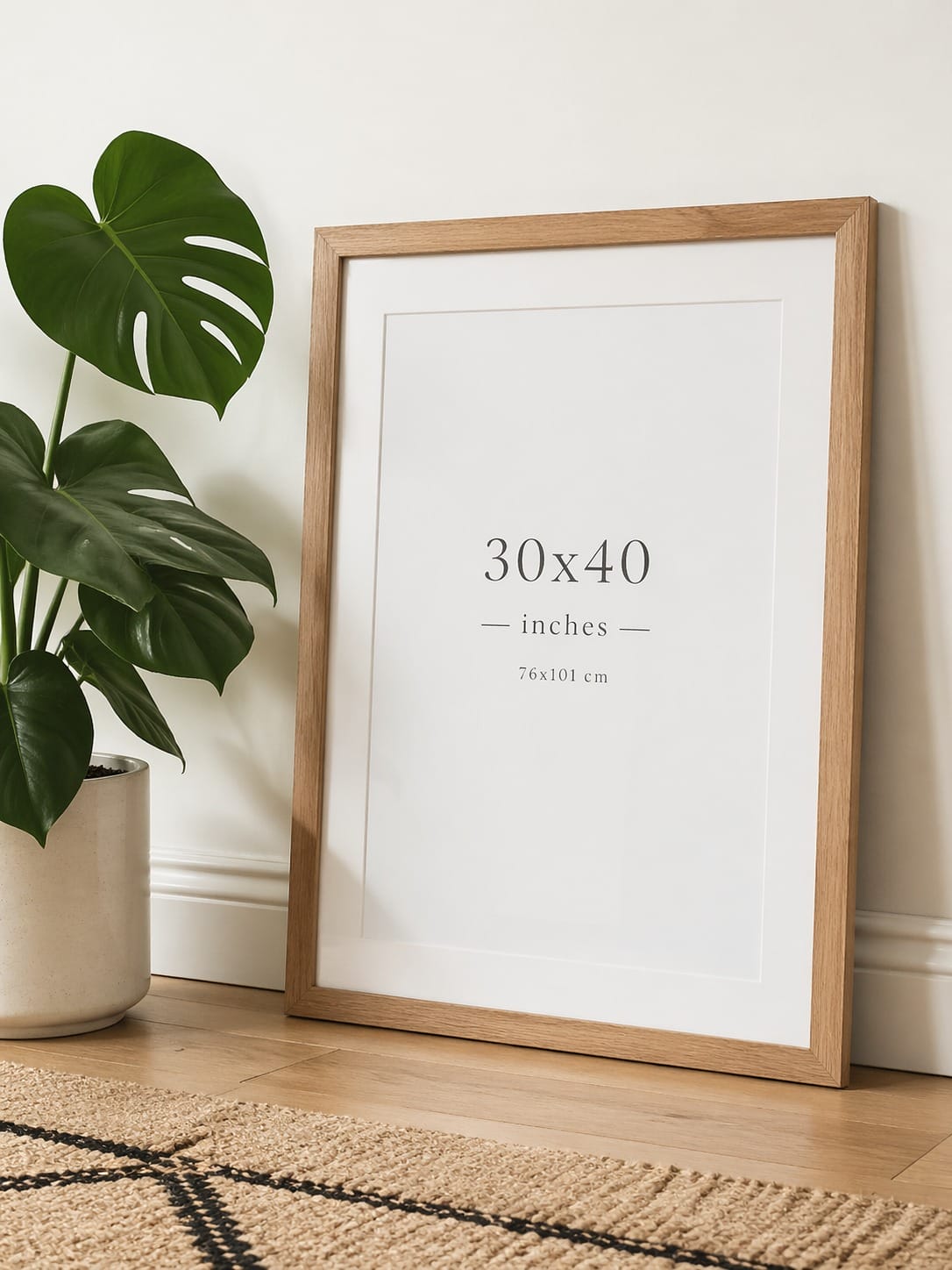
A picture frame 30x40 inches, on the other hand, is a massive piece of home decor. It measures 2.5 feet by over 3 feet. This size is typically used for large movie posters, oversized fine art photography, or statement pieces meant to anchor a room above a sofa.
Material Matters: Wood, Metal, and the Glass Problem
Once you have the size sorted out, you need to think about what the frame is actually made of. This is where weight becomes a serious issue, especially if you are looking at a 30x40 inch picture frame.
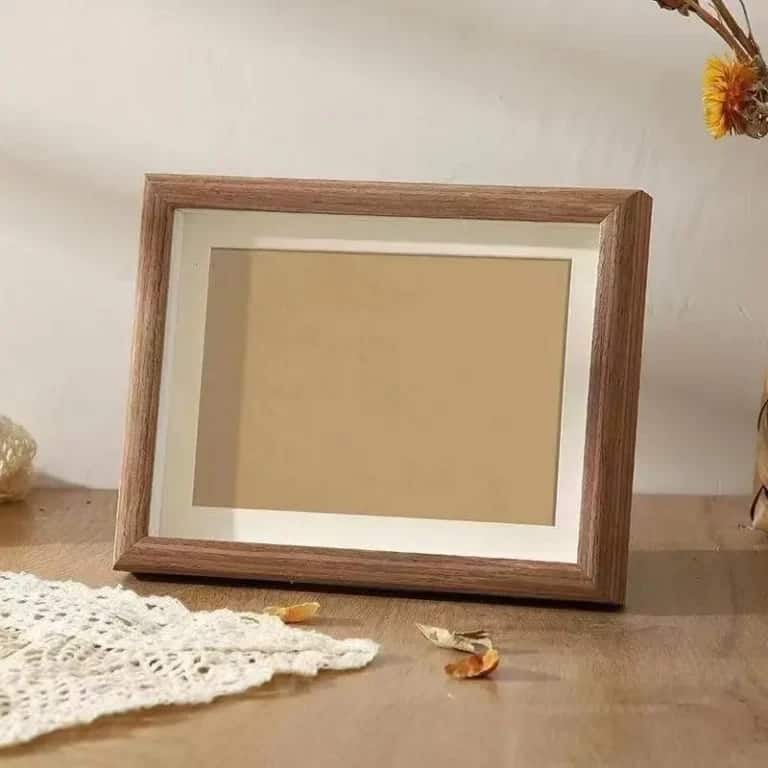
A solid oak or walnut frame at this size looks incredible. But a 30x40 picture frame wood construction, paired with standard 2mm framing glass, can easily weigh 12 to 15 pounds. Hanging that requires heavy-duty wall anchors, not just a simple nail.
Watch out for real glass in oversized frames. Shipping a 30x40 inch sheet of glass without it shattering in transit is notoriously difficult. Most reputable retailers will swap glass for framing-grade acrylic (plexiglass) at this size. Acrylic is lighter, shatter-resistant, and offers better UV protection for your art.
If you are comparing materials, here is how they stack up:
- Solid Wood: Classic, durable, but heavy. Best for traditional or rustic spaces.
- MDF (Medium Density Fiberboard): Cheaper than real wood. Often wrapped in a wood-grain veneer. It looks good from a distance but can chip easily at the corners if dropped.
- Aluminum/Metal: Very lightweight and rigid. A thin metal profile is an excellent choice for a picture frame 30x40cm if you want a modern, minimalist look.

Choosing the Right Finish: Black vs. White
Color completely changes how your artwork reads in a room. Last month, a customer named Sarah ordered a thick 30x40 black picture frame for a delicate, pastel watercolor painting. When she put it together, she hated it. The heavy dark border completely overpowered the soft colors of her art.
A black picture frame 30x40 is a bold choice. It creates a strong visual boundary. This works incredibly well for high-contrast black and white photography, bold typography posters, or dark, moody artwork. It acts like a visual anchor.
Conversely, a 30x40 white picture frame does the opposite. It blends into light-colored walls. If you have a bright, airy room or you are framing something soft and minimalist, white is usually the safer bet. It allows the artwork to breathe without boxing it in.
If you are unsure, you can always explore different frame profiles and colors to see how they match up with different styles of art.
Your Pre-Hanging Checklist
Before you start putting holes in your wall, run through this quick checklist. These are the practical details that save you from a crooked frame or damaged art.
- Account for the lip: The inside edge of any frame (the lip) covers about 1/4 inch of your artwork on all sides. If you have a picture frame 30x40, the visible opening will actually be closer to 29.5 x 39.5. Keep this in mind if your print has important text right at the edge.
- Peel the film: If your frame comes with acrylic instead of glass, it will have a protective plastic film on BOTH sides. I cannot tell you how many people complain about "cloudy glass" simply because they forgot to peel off the second layer of film.
- Ditch the wire for heavy frames: For a massive 30x40 picture frame, do not use a single hanging wire across the back. The weight will cause the top of the frame to bow outward. Use two separate D-rings and hang them on two separate wall hooks.

Frequently Asked Questions
Will a 30x40 frame fit a 30x40 poster exactly?
Yes, a frame listed as 30x40 is designed to hold an image that is exactly 30x40. However, remember that the frame's lip will overlap the edges of the poster by about a quarter of an inch on all sides to keep it from falling through the front.
What is the difference between a 30x40 cm picture frame and 30x40 inches?
The difference is massive. 30x40 centimeters is roughly 11.8 x 15.7 inches, which is a small to medium frame. 30x40 inches is a very large poster size. Always double-check the unit of measurement before buying.
How do you safely hang a picture frame 30x40 inches?
Because of the weight, you should avoid adhesive strips. Use heavy-duty drywall anchors or drill directly into a wall stud. For the back of the frame, use two D-rings mounted on the side rails rather than a single wire, which prevents the frame from tilting forward.
Should I use a mat board?
If you are framing a 30x40 print, adding a mat will make the final frame size significantly larger (often 36x46 or more). This requires custom sizing. You can read more about the history and purpose of matting to decide if it fits your aesthetic.
Ready to Frame Your Art?
Getting the right size, material, and color does not have to be a guessing game. Whether you need a lightweight acrylic setup for a massive poster or a solid wood border for a gallery wall, getting the exact dimensions is crucial. Stop guessing if your art will fit and find the exact dimensions you need in our custom sizing gallery.